
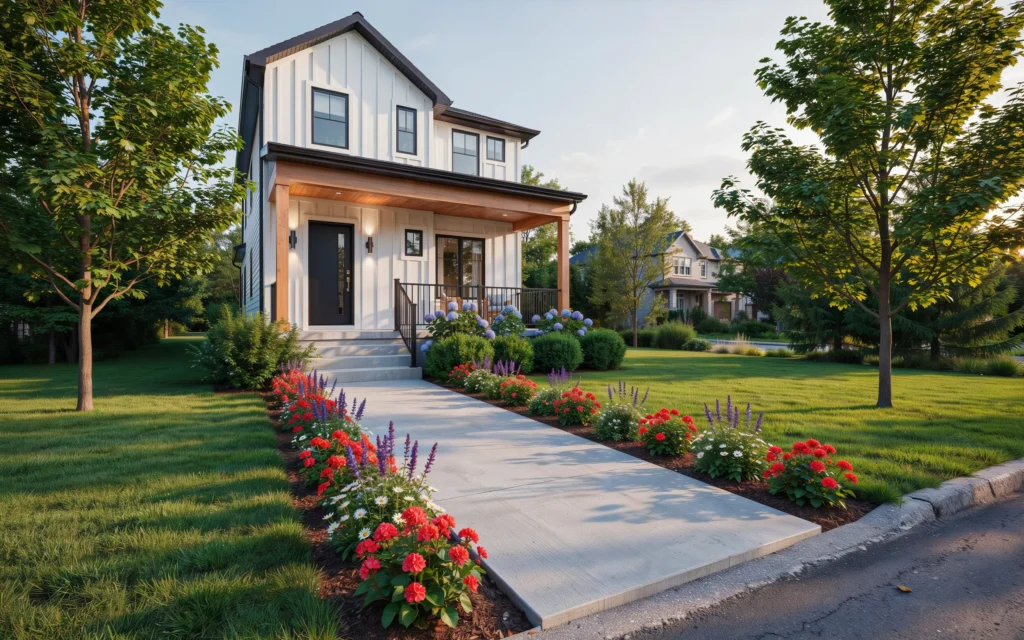
A well-designed concrete walkway does more than connect different areas of your property—it improves curb appeal, increases safety, and enhances everyday convenience. Professionally installed concrete walkways also add long-term value while creating safe and attractive outdoor pathways. Whether you’re planning a new front entrance path, a backyard garden walkway, or an accessible route around your home, our Residential Concrete Services provide some of the most durable and versatile solutions available.
For homeowners in Kitchener, Waterloo, Cambridge, Guelph, and nearby Ontario communities, choosing the right walkway involves more than selecting a material. Climate, drainage, frost protection, finish options, and long-term maintenance all play a role in ensuring your investment lasts for decades.
In this comprehensive guide, you’ll learn everything you need to know about concrete walkways, including design ideas, installation best practices, maintenance tips, common mistakes to avoid, and how to choose the right contractor for your project.
Concrete walkways are durable, low-maintenance pathways made from poured concrete that provide safe, attractive access around residential properties and commercial concrete projects. When professionally installed with proper site preparation, drainage, and reinforcement, Concrete walkways can last 30 years or more when professionally installed with proper site preparation, drainage, reinforcement, and quality concrete materials.
Why Concrete Walkways Are One of the Best Investments for Your Property
A walkway may seem like a small feature, but it has a significant impact on how people experience your property. It guides visitors, improves accessibility, protects landscaping, and creates a polished appearance.
Unlike temporary materials that shift or deteriorate over time, professionally installed concrete walkways provide long-term performance with minimal maintenance.
Some of the biggest advantages include:
- Exceptional durability
- Long service life
- Low maintenance requirements
- Clean, modern appearance
- Custom design flexibility
- Better accessibility
- Increased property value
- Improved safety during all seasons
For properties across Southwestern Ontario, concrete is especially popular because it withstands heavy foot traffic while performing well in changing weather conditions.
What Is a Concrete Walkway?
A concrete walkway is a paved pedestrian path constructed using poured concrete. It connects important areas of a property, such as:
- Front entrance
- Driveway to house
- Backyard patio
- Garden
- Garage
- Side yard
- Pool area
- Outdoor living spaces
Unlike stepping stones or gravel paths, concrete creates a continuous walking surface that remains stable, even after years of use.
Modern concrete walkways can be customized with decorative finishes, colours, textures, borders, and patterns to complement virtually any architectural style.
Benefits of Installing Concrete Walkways
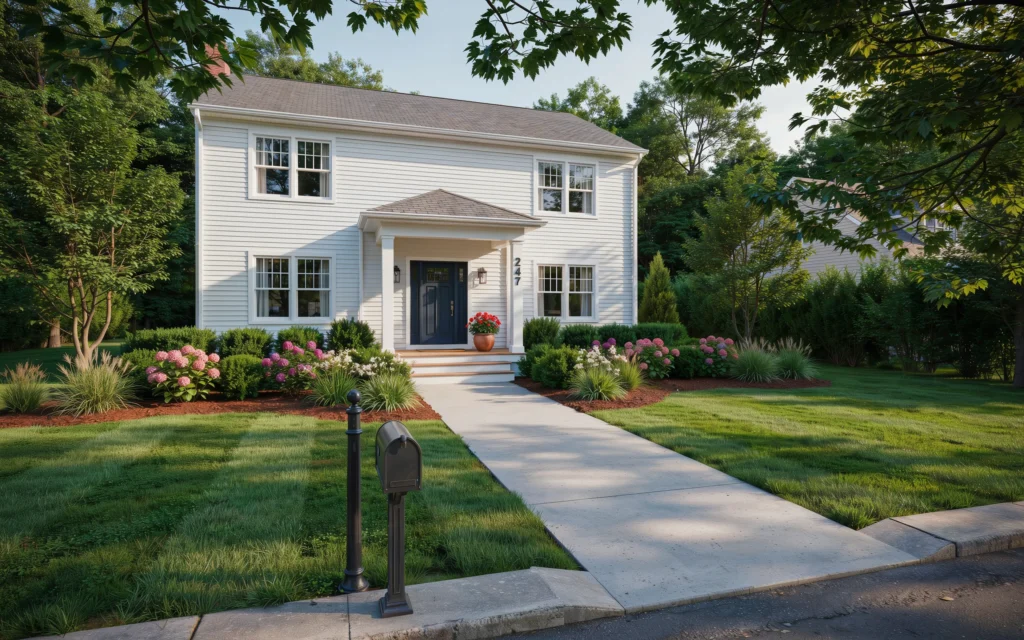
1. Outstanding Durability
Concrete walkways are designed to withstand years of daily foot traffic while maintaining their strength, appearance, and structural integrity.
When installed correctly with proper reinforcement and a stable base, it resists:
- Surface wear
- Heavy loads
- Freeze-thaw cycles
- Minor impacts
- Weather exposure
For Ontario homeowners, this durability is especially valuable during harsh winters and seasonal temperature changes.
2. Low Maintenance
One reason many property owners choose concrete walkways is their minimal maintenance requirements and long-lasting durability.
Routine care generally includes:
- Sweeping debris
- Occasional pressure washing
- Removing weeds from joints (if decorative cuts are present)
- Resealing every few years for decorative finishes
Compared with pavers, concrete typically requires less ongoing maintenance because there are fewer joints where weeds can grow or individual pieces can shift.
3. Excellent Curb Appeal
Professionally designed concrete walkways immediately improve the appearance of a home while creating a welcoming and functional entrance.
It creates:
- A welcoming entrance
- Better landscape definition
- Strong visual flow
- Cleaner outdoor spaces
- Enhanced first impressions
When paired with decorative concrete finishes, a walkway can become an architectural feature rather than just a functional path.
4. Cost-Effective Long-Term Value
While the initial investment may vary depending on size and finish, concrete often provides excellent long-term value because of its:
- Long lifespan
- Low repair frequency
- Minimal maintenance costs
- Strong resale appeal
Rather than focusing only on upfront installation costs, it’s important to consider the total cost of ownership over decades of use.
5. Highly Customizable Designs
Today’s decorative concrete walkways are available in a wide range of styles, textures, colours, and finishes to complement virtually any home.
Popular options include:
Standard Broom Finish
A classic, slip-resistant surface suitable for most residential properties.
Best for:
- Front entrances
- Side walkways
- Garden paths
- Commercial sidewalks
Stamped Concrete Walkways
Stamped concrete mimics premium materials while maintaining the durability of poured concrete.
Popular patterns include:
- Natural stone
- Brick
- Slate
- Cobblestone
- Ashlar stone
This option is ideal for homeowners who want a more upscale appearance without installing individual pavers.
Exposed Aggregate Walkways
Exposed aggregate creates a textured finish by revealing decorative stones within the concrete surface.
Benefits include:
- Excellent traction
- Decorative appearance
- High durability
- Natural texture
- Increased slip resistance
This finish is particularly popular for homes throughout Kitchener and Waterloo because it performs well during wet and snowy conditions.
Colored Concrete
Integral colour can be added during mixing to create walkways that complement:
- Brick homes
- Stone exteriors
- Modern architecture
- Traditional landscapes
Popular colours include:
- Charcoal
- Warm grey
- Sandstone
- Brown
- Natural earth tones
How to Choose the Right Concrete Walkway Design
Choosing the right walkway involves balancing appearance, functionality, maintenance, and budget.
Consider the following factors before making your decision:
| Consideration | Why It Matters |
| Property Style | The walkway should complement your home’s architecture. |
| Foot Traffic | Higher traffic areas may benefit from thicker concrete or reinforced designs. |
| Slip Resistance | Textured finishes provide better traction, especially in wet or icy conditions. |
| Drainage | Proper grading helps prevent water pooling and extends the walkway’s lifespan. |
| Maintenance | Decorative finishes may require periodic sealing to preserve their appearance. |
| Budget | Simpler finishes typically cost less, while decorative options add visual appeal. |
A professional contractor can help you compare these options and recommend a solution that fits both your property’s style and your long-term needs.
Concrete Walkways vs. Other Walkway Materials
Many homeowners compare concrete with alternative walkway materials before making a decision.
Here’s how concrete stands out:
| Feature | Concrete | Pavers | Gravel |
| Durability | Excellent | Excellent | Moderate |
| Maintenance | Low | Moderate | High |
| Weed Growth | Minimal | Moderate | High |
| Snow Removal | Easy | Easy | Difficult |
| Design Options | Extensive | Extensive | Limited |
| Long-Term Value | Excellent | Excellent | Lower |
While every material has its place, concrete offers one of the best combinations of durability, aesthetics, and long-term value for residential properties throughout the Kitchener-Waterloo region.
Planning a New Walkway? Start with the Right Design
Every property has unique needs, from drainage and grading to layout and finish selection. A professionally planned concrete walkways project ensures lasting performance and beautiful curb appeal. If you’re considering a new walkway in Kitchener, Waterloo, Cambridge, Guelph, or nearby areas, the team at PurePour Concrete Inc can help you evaluate design options, recommend the right finish for your property, and create a walkway built for Ontario’s climate.
How Professional Concrete Walkways Are Installed
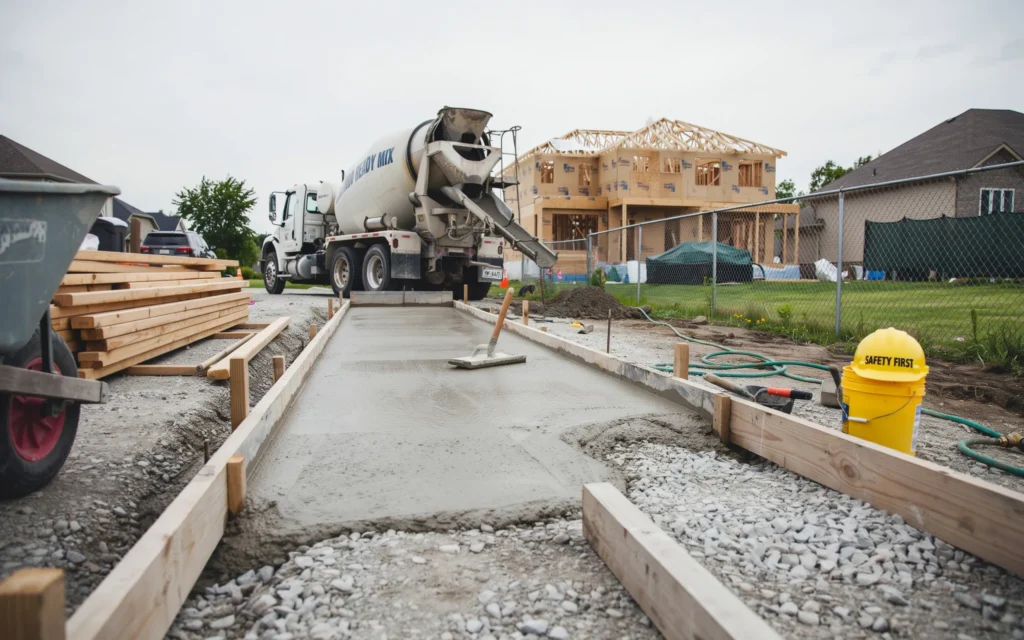
Concrete walkways are only as strong as the preparation beneath them. Proper excavation services, grading, and base preparation are essential for long-term durability. While the finished surface gets the most attention, the foundation, grading, reinforcement, and curing process determine how well the walkway performs over the next 30 years.
Here’s what a professional installation process typically looks like.
Step 1: Site Evaluation and Planning
Before excavation begins, experienced contractors assess several important factors:
- Existing landscape and grading
- Soil conditions
- Drainage patterns
- Tree roots
- Underground utilities
- Existing structures
- Planned walkway width and layout
For properties in Kitchener, Waterloo, Cambridge, and Guelph, proper planning is especially important because Ontario’s freeze-thaw cycles can affect improperly prepared walkways.
A thoughtful design at this stage helps prevent future issues such as uneven settling, standing water, and premature cracking.
Step 2: Excavation
The installation area is excavated to remove:
- Grass
- Organic soil
- Loose material
- Old pavement (if replacing an existing walkway)
Excavation depth depends on several factors, including:
- Soil stability
- Planned concrete thickness
- Base material requirements
- Local climate
Removing unstable material ensures the new walkway rests on a solid, long-lasting foundation.
Step 3: Building a Stable Base
One of the most overlooked—but critical—steps is creating a compacted granular base.
A properly prepared base helps:
- Reduce settling
- Improve drainage
- Support heavy loads
- Resist frost heave
- Extend the lifespan of the walkway
The base is placed in layers and mechanically compacted to provide consistent support beneath the concrete slab.
Skipping or rushing this step often leads to uneven surfaces and early structural problems.
Step 4: Formwork Installation
Wood or metal forms define the shape and elevation of the walkway.
Professional contractors carefully check:
- Width consistency
- Straight lines or planned curves
- Finished height
- Cross slope for drainage
Even a subtle slope helps direct water away from your home’s foundation instead of allowing it to pool on the walkway.
Step 5: Reinforcement
Depending on the project, reinforcement may include:
- Steel rebar
- Welded wire mesh
- Synthetic reinforcement fibers
Reinforcement helps control cracking and improves structural performance, especially in areas exposed to changing temperatures and soil movement.
The appropriate reinforcement depends on:
- Walkway size
- Soil conditions
- Expected loads
- Local building practices
Step 6: Concrete Placement
Fresh concrete is carefully poured into the prepared forms.
The crew then:
- Spreads the concrete evenly.
- Levels the surface.
- Removes air pockets.
- Creates a consistent thickness.
- Begins finishing before the concrete hardens.
Timing is important. Working too quickly or too slowly can affect the final appearance and durability.
Step 7: Surface Finishing
The finish you choose influences both appearance and safety.
Common finishes include:
Broom Finish
A broom is lightly dragged across the surface to create texture.
Benefits:
- Slip-resistant
- Affordable
- Clean appearance
- Easy maintenance
This remains one of the most popular options for residential walkways.
Decorative Stamped Finish
Special mats create realistic textures resembling:
- Natural stone
- Brick
- Slate
- Cobblestone
Stamped concrete delivers a premium appearance without the maintenance associated with individual pavers.
Exposed Aggregate Finish
The top layer of cement paste is removed to reveal decorative stone beneath.
Advantages include:
- Excellent traction
- Attractive natural texture
- Strong visual appeal
- High durability
This finish works particularly well around pools, patios, and garden walkways.
Step 8: Control Joints
Concrete naturally expands and contracts with temperature changes.
Control joints are intentionally placed to help guide where minor shrinkage cracks occur.
Proper joint spacing helps maintain:
- Structural integrity
- Cleaner appearance
- Longer service life
Although control joints don’t eliminate cracking entirely, they significantly improve crack management.
Step 9: Proper Curing
Curing is often misunderstood.
Concrete doesn’t simply “dry”—it gains strength through a controlled curing process.
Proper curing helps improve the strength, durability, and long-term performance of concrete. The American Concrete Institute (ACI) also emphasizes proper curing as an essential part of quality concrete construction.
- Surface hardness
- Crack resistance
- Long-term durability
- Weather resistance
Walking on freshly poured concrete too soon can damage the surface before it reaches adequate strength.
Following your contractor’s recommended curing timeline is essential for the best results.
Popular Concrete Walkway Design Ideas
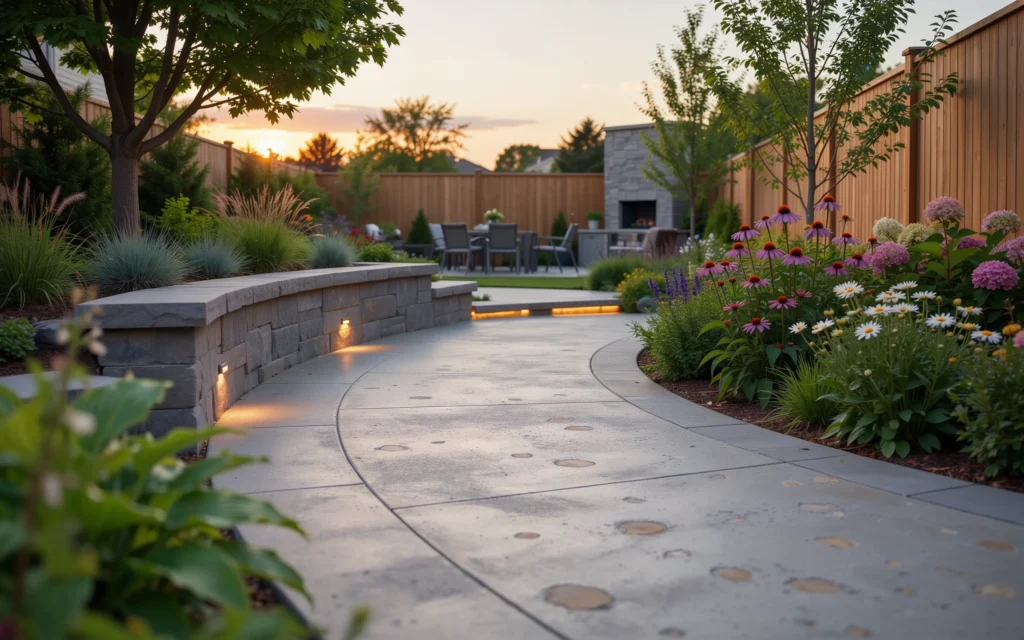
Modern concrete walkways have evolved far beyond the plain grey sidewalks many people imagine, offering premium decorative finishes for every architectural style.
Today’s decorative concrete can complement virtually any home’s architectural style.
Modern Minimalist Walkways
Ideal for contemporary homes.
Features include:
- Straight lines
- Smooth finishes
- Neutral colours
- Wide walking paths
- Integrated landscape lighting
This design emphasizes clean, uncluttered aesthetics.
Curved Garden Walkways
Curved paths create a softer, more natural look.
They’re commonly used to connect:
- Gardens
- Outdoor seating areas
- Patios
- Backyard entertainment spaces
Gentle curves also make smaller landscapes feel more spacious and inviting.
Decorative Borders
Adding borders creates visual contrast without overwhelming the design.
Popular border options include:
- Coloured concrete
- Exposed aggregate edges
- Stamped bands
- Contrasting textures
Borders help define the walkway while enhancing curb appeal.
Integrated Landscape Design
A walkway shouldn’t exist in isolation.
Consider pairing it with:
- Decorative planting beds
- Landscape lighting
- Retaining walls
- Concrete steps
- Front porch upgrades
- Garden edging
When planned together, these elements create a cohesive outdoor living space.
Concrete Walkways for Ontario Weather
Homeowners throughout Kitchener, Waterloo, Cambridge, and Guelph experience:
- Snow
- Ice
- Heavy spring rains
- Summer heat
- Frequent freeze-thaw cycles
These conditions place significant stress on concrete walkways, making proper installation and drainage especially important throughout Ontario.
Professional installation helps address these challenges through:
- Proper grading
- Adequate drainage
- High-quality concrete mixes
- Correct joint placement
- Stable base preparation
- Appropriate curing practices
Choosing a contractor familiar with local conditions can make a significant difference in the long-term performance of your walkway.
Maintaining Your Concrete Walkway
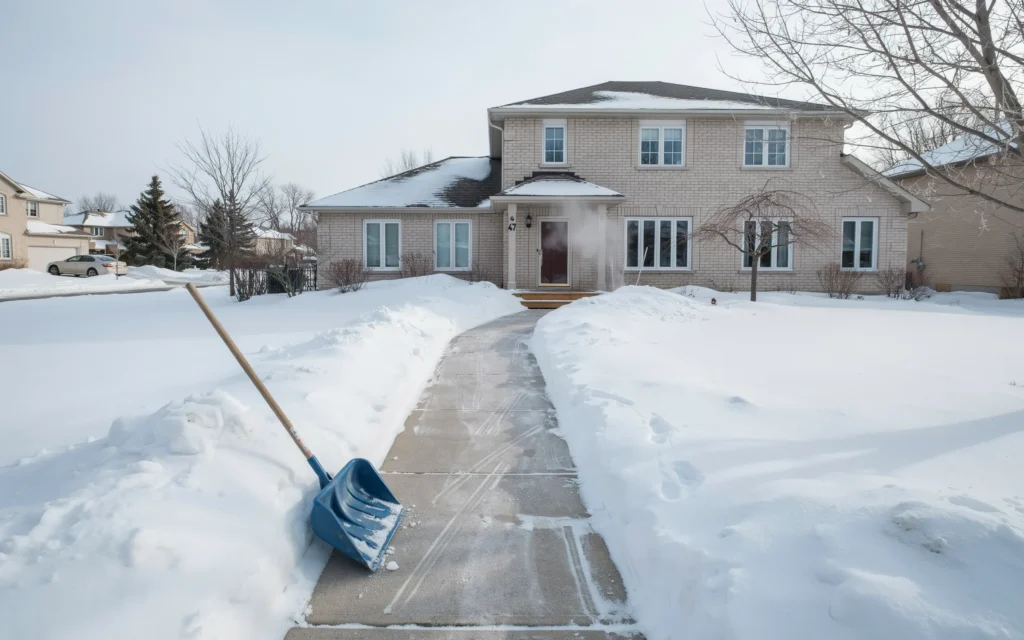
Routine concrete walkways maintenance doesn’t take much time, but it helps preserve your investment and extend the lifespan of your walkway.
Seasonal Maintenance Checklist
Spring
- Remove winter debris.
- Inspect for minor cracks.
- Wash away road salt residue.
- Check drainage.
Summer
- Pressure wash if needed.
- Remove stains promptly.
- Inspect expansion joints.
Fall
- Clear leaves regularly.
- Trim nearby vegetation.
- Ensure water drains properly before winter.
Winter
- Use plastic snow shovels when possible.
- Avoid excessive use of harsh de-icing chemicals.
- Remove snow before ice builds up.
Consistent care helps maintain both appearance and long-term performance.
Signs Your Walkway May Need Repair or Replacement
Even durable concrete eventually shows signs of aging.
Watch for:
- Large structural cracks
- Uneven sections
- Significant settling
- Water pooling
- Surface scaling
- Crumbling edges
- Trip hazards
Minor cosmetic issues can often be repaired, while widespread structural damage may justify replacement.
A professional inspection can help determine the most cost-effective solution.
Common Mistakes Homeowners Should Avoid
Many walkway problems begin long before the concrete walkways is poured.
Avoid these common mistakes:
Choosing the Lowest Bid
The cheapest quote isn’t always the best value.
Lower prices sometimes reflect:
- Inadequate excavation
- Poor-quality materials
- Minimal reinforcement
- Inexperienced workmanship
Focus on experience, reputation, and quality rather than price alone.
Ignoring Drainage
Water is one of concrete’s biggest long-term challenges.
Poor drainage can contribute to:
- Frost heaving
- Soil erosion
- Surface deterioration
- Foundation concerns
Proper grading should always be part of the project plan.
Selecting Appearance Over Safety
Highly polished surfaces may look attractive but can become slippery when wet.
For most residential walkways, textured finishes provide a better balance between appearance and slip resistance.
Skipping Sealing When Recommended
Not every concrete walkway requires sealing, but decorative finishes often benefit from it.
A quality sealer can help:
- Resist stains
- Reduce moisture penetration
- Enhance colour
- Improve durability
Follow your contractor’s maintenance recommendations based on your chosen finish.
Thinking About a New Concrete Walkway?
Whether you’re replacing an aging path or designing a brand-new landscape, investing in professional planning and installation can save time, reduce maintenance, and improve long-term performance.
PurePour Concrete Inc provides expertly crafted concrete walkways for homeowners throughout Kitchener, Waterloo, Cambridge, Guelph, and surrounding communities. From classic broom-finished paths to decorative stamped and exposed aggregate designs, our team helps you choose a solution that fits your property’s style, budget, and everyday needs.
Frequently Asked Questions About Concrete Walkways
1. How long do concrete walkways last?
A professionally installed concrete walkway can last 30 years or more with proper installation and routine maintenance. Factors such as site preparation, drainage, climate, and maintenance all influence its lifespan.
2. Are concrete walkways better than pavers?
Both materials are excellent choices, but they offer different advantages.
- Concrete walkways generally require less maintenance, have fewer joints where weeds can grow, and provide a clean, seamless appearance.
- Pavers offer individual replacement flexibility and intricate design possibilities but typically require more ongoing maintenance.
The best option depends on your budget, design preferences, and long-term maintenance expectations.
3. Will my concrete walkway crack?
Hairline cracks are a normal characteristic of concrete as it cures and responds to environmental changes. Professional installation—including proper base preparation, reinforcement where appropriate, joint placement, and curing—helps control cracking and minimize its impact.
4. Is concrete slippery when wet?
Standard smooth concrete can become slippery. However, most residential walkways use textured finishes such as a broom finish or exposed aggregate, which provide improved traction in wet and winter conditions.
5. When is the best time to install a concrete walkway in Ontario?
Spring, summer, and early fall generally provide the most favorable conditions for concrete installation. Weather, temperature, and moisture levels all influence curing, so scheduling during moderate conditions typically produces the best results.
6. Can decorative concrete increase property value?
Yes. A professionally designed decorative concrete walkway enhances curb appeal, creates a positive first impression, and complements the overall landscape, making your property more attractive to future buyers.
7. How wide should a residential concrete walkway be?
Most residential concrete walkways are 36 to 48 inches wide, providing comfortable space for one or two people to walk side by side. Well-designed concrete walkways may be wider for front entrances, high-traffic areas, or improved accessibility, depending on the property’s layout and intended use.
8. Do concrete walkways require sealing?
While not every concrete walkway requires sealing, applying a high-quality sealer can help protect the surface from moisture, stains, road salt, and UV exposure. Decorative finishes such as stamped or exposed aggregate concrete especially benefit from periodic sealing to maintain their appearance and durability.
9. Can a concrete walkway be customized to match my home’s style?
Yes. Concrete walkways offer extensive design flexibility. You can choose from various finishes, colors, textures, borders, and patterns—including stamped concrete and exposed aggregate—to create a walkway that complements your home’s architecture and landscaping.
10. How do I choose the right concrete walkway contractor?
Look for a contractor with proven experience, positive customer reviews, transparent estimates, and a portfolio of completed projects. A reputable contractor should also use quality materials, follow proper installation practices, and understand local conditions, including Ontario’s freeze-thaw climate, to ensure your walkway is built to last.
Why Homeowners Choose PurePour Concrete Inc
Choosing the right contractor is just as important as choosing the right material.
At PurePour Concrete Inc, every walkway is built with attention to detail, quality craftsmanship, and long-term durability. Our goal is to create outdoor spaces that not only look exceptional but also stand up to Ontario’s demanding weather conditions.
Homeowners throughout Kitchener, Waterloo, Cambridge, Guelph, and nearby communities trust us because we focus on:
- Professional project planning
- Quality materials
- Proper site preparation
- Expert concrete finishing
- Honest recommendations
- Clear communication
- Reliable workmanship
- Customer satisfaction
Whether you’re looking for a simple front entrance path or a custom decorative walkway that complements your landscaping, our experienced team can help bring your vision to life.
Final Thoughts
Concrete walkways are more than just paths—they are long-term investments in your property’s functionality, appearance, safety, and overall value. When thoughtfully designed and professionally installed, it provides decades of reliable performance while improving safety, accessibility, and curb appeal.
From selecting the right finish to ensuring proper drainage and foundation preparation, every decision contributes to the lifespan and success of your project. Taking the time to plan carefully today can help you avoid costly repairs and enjoy a walkway that continues to perform beautifully for years to come.
If you’re planning a new concrete walkway or replacing an existing one in Kitchener, Waterloo, Cambridge, Guelph, and surrounding service areas, working with an experienced local contractor ensures your project is built to handle Ontario’s unique climate and your property’s specific needs.
Request a Free Concrete Walkway Consultation
Ready to transform your outdoor space with durable, professionally installed concrete walkways that enhance your home’s beauty and long-term value?
The team at PurePour Concrete Inc is here to help you every step of the way—from design recommendations and material selection to professional installation and finishing.
Whether you prefer a classic broom finish, decorative stamped concrete, or exposed aggregate, we’ll create a walkway that complements your home and is built to last.
Looking for more expert concrete advice? Visit our Concrete Blog for additional guides, maintenance tips, and project inspiration.